NASA Space Apps 2026 · Flame in Freefall · team MLMP
Find the NASA fire experiments relevant to your habitat — and see where the tested evidence ends.
PYRION reads NASA's 24 combustion investigations in PSI. Set a cabin condition and it shows which tests come close, what NASA set out to learn there, and the source of every value.
10,305 records extracted from NASA files; 9,652 used as evidence, 647 flagged insufficient, 6 rejected by the validator
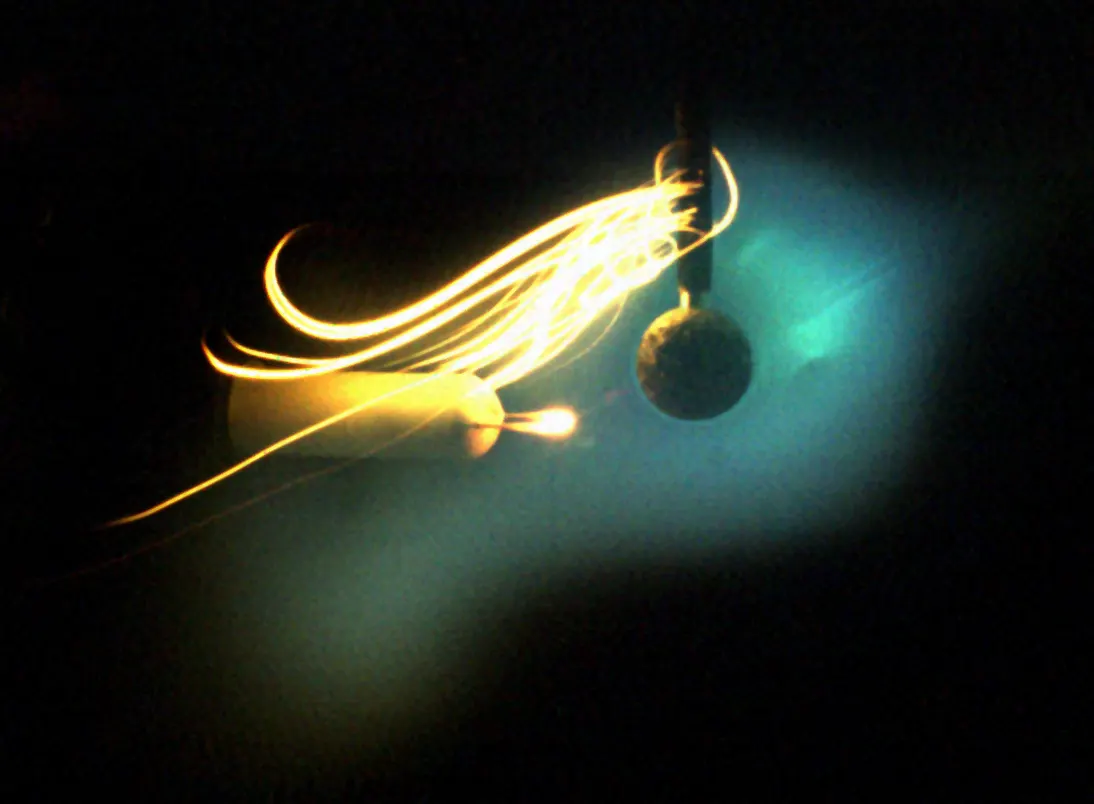
Real flames, real data
Fire without gravity, from NASA's own records
Why this matters
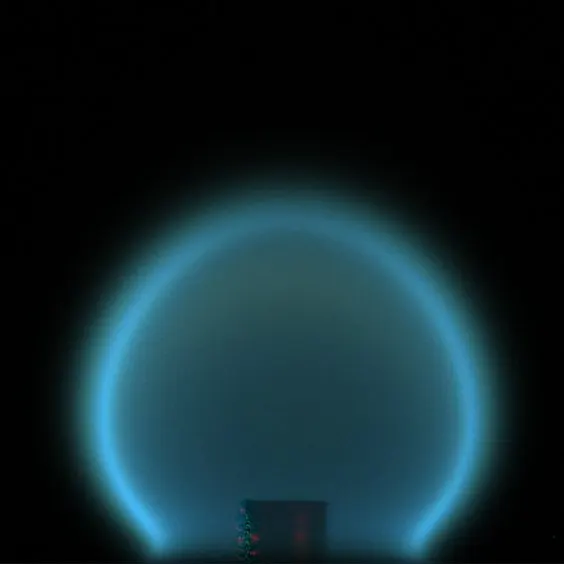
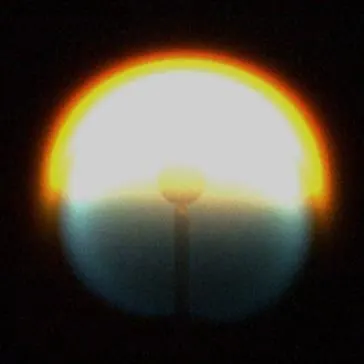
More oxygen, lower pressure, a new gravity
Richer air on the Moon
NASA expects the Moon Base and pressurized rovers at an oxygen concentration “30% or greater, with a corresponding pressure of 10.2 psi or less”, “making materials much more flammable”.
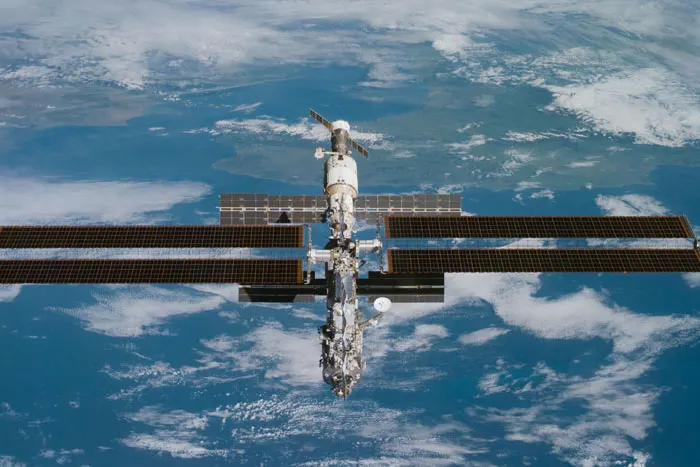
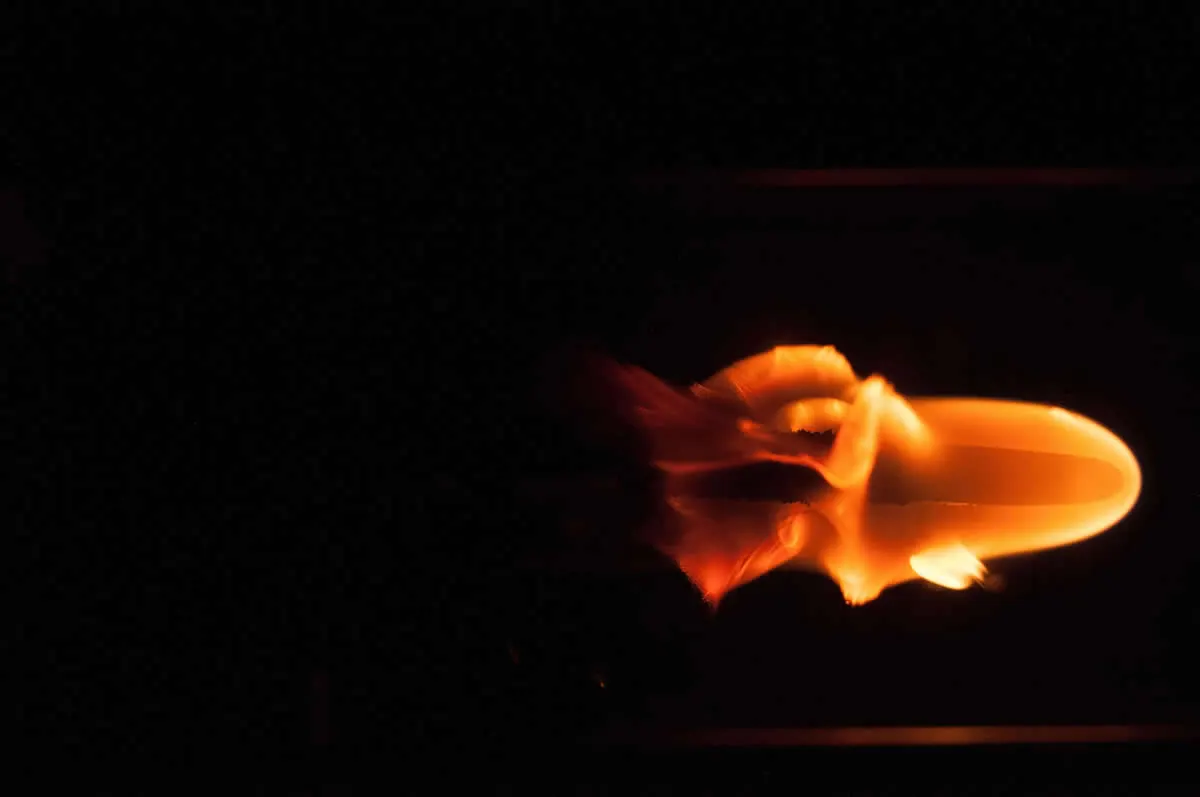
ISS, 2000. Image: NASA
Data that is hard to use
NASA publishes its microgravity fire experiments in PSI, but the challenge notes the data “can be hard to find, harder to compare, and harder yet to interpret”.
A gravity no PSI test has reached
“There is currently no partial-gravity combustion data available in PSI.” Microgravity and normal-gravity results could bound what happens in between.
In NASA's words
What NASA set out to learn, linked to the tests behind it
Saffire-II
“Results determine microgravity flammability limits for several spacecraft materials”
PSI record PSI-99, field “researchImpacts”
Which cabin materials keep burning in microgravity, and at what conditions.
BASS
“Using nitrogen as a flame suppressant in microgravity provides a direct link to current and planned extinguishment techniques”
PSI record PSI-26, field “researchImpacts”
How an inert gas puts out flames over solid materials: suppression research.
FLEX
“A primary objective of the experiments is to determine the Limiting Oxygen Index (LOI) as a function of ambient pressure”
PSI record PSI-69, field “approach”
How much oxygen a flame needs, and how that changes with cabin pressure.
Where to test next
The lunar edge of the evidence
NASA's planned FM2 lunar experiment burns one fabric at several oxygen levels, nominally at 8.2 psia — below the challenge's 10.2 psi upper bound.
Planned, not in PSI. Source: NTRS 20260001966, cited on the Mission Planner.
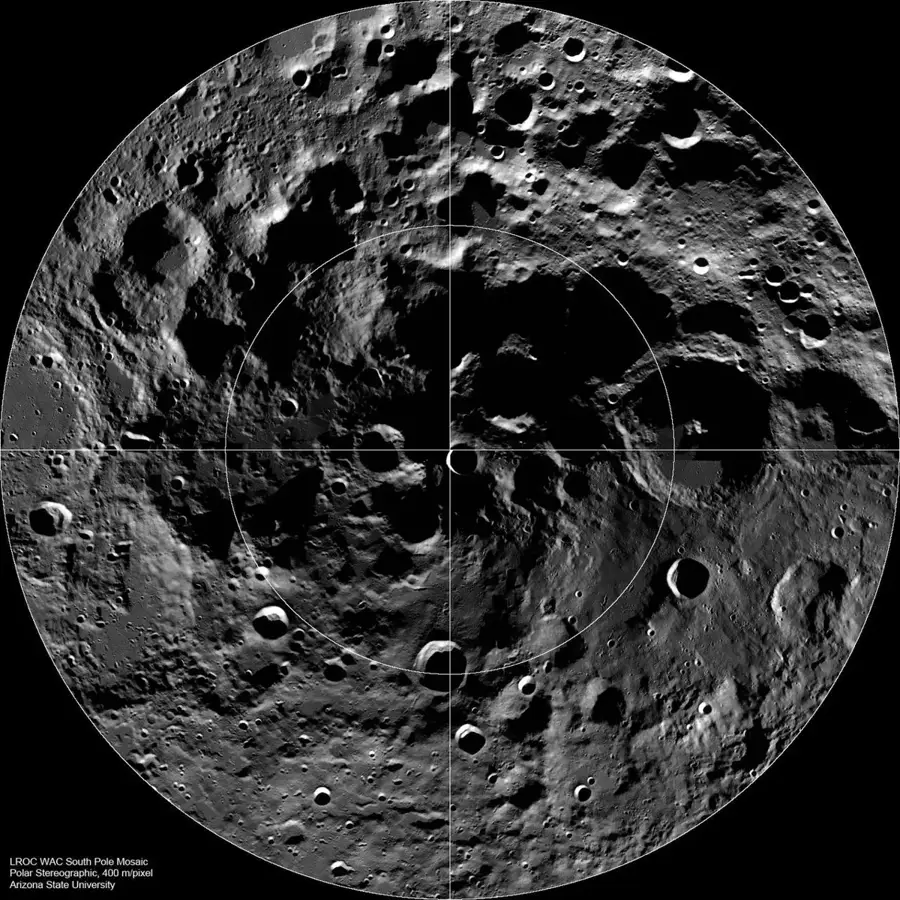
PYRION draws the Moon Base atmospheres on the oxygen-pressure plane, places the PSI tests and the planned FM2 points, and shows which parts of that region no planned test reaches. That is where new lunar-gravity tests could add evidence.
Evidence for research and test planning — not a safety assessment, and not a prediction of how fire behaves on the Moon.
Open the Mission Planner →How it works
Three steps, one rule
1 · Set a condition
Pick a cabin preset (ISS air, the Moon Base condition, NASA exploration atmospheres) or set oxygen, pressure, gravity and fuel yourself.
2 · Compare with NASA's tests
A fixed-rule engine compares it with the tests extracted from PSI. Gravity, fuel phase and diluent are barriers; oxygen and pressure are compared with the region the tests span.
3 · Read the verdict and its receipt
Each investigation: applicable, extrapolation, insufficient evidence, or another regime — with the quote, the file location and the DOI.
The rule: the same condition always gives the same verdict, from NASA's own records. AI helps read your question and explain the result; it never decides. Method →
Our users
Who it's for
Fire-safety researchers
See which PSI tests are comparable to a condition, and where a new experiment would add evidence.
Habitat and spacecraft engineers
Find the NASA evidence behind a cabin atmosphere, with receipts you can cite.
Professors and students
The 24 PSI combustion investigations in one place: objectives, tests, variables, hardware, publications.
Go deeper
Everything else in PYRION
Investigations
Every PSI study: summary in NASA's words, tests, hardware families, one-click comparisons.
Safety lenses
Prevention, detection and suppression: each tag backed by a quote.
Equipment & Earth
Detection, suppression and prevention research, and uses on Earth.
TARS SI
Ask in your own words; answers in labelled layers: engine, NASA quoted, and its own reasoning.
Data
The extracted dataset, with the source of every row, ready to download.
Proof
The validator report and the scripted judge battery, read from the repository.
Questions
Common questions
- Is this a safety assessment?
- No. It shows which NASA tests are comparable to a condition and where the tested evidence ends. It never calls a condition safe.
- Where does the data come from?
- NASA Physical Sciences Informatics (PSI): the 24 combustion investigations, each cited with its DOI. Every value used as evidence is located by code in its NASA file. Data →
- Does the AI decide the verdict?
- No. Fixed rules decide. The AI reads questions and explains; numbers come from code and NASA quotes are checked on their page.
- What does “applicable” mean?
- The condition lies between measured test points in the same regime (within a 0.5 % tolerance). No test was necessarily run at that exact condition, and PYRION computes no value there.
- Why the Moon?
- NASA's challenge asks about habitats including bases on the Moon and Mars. PSI holds no partial-gravity combustion data, so for those gravities PYRION shows the nearest evidence in other regimes and where new tests would add it. Try the Moon Base condition or a NASA exploration atmosphere at Mars gravity.